
Why 3D portals are changing real estate sales
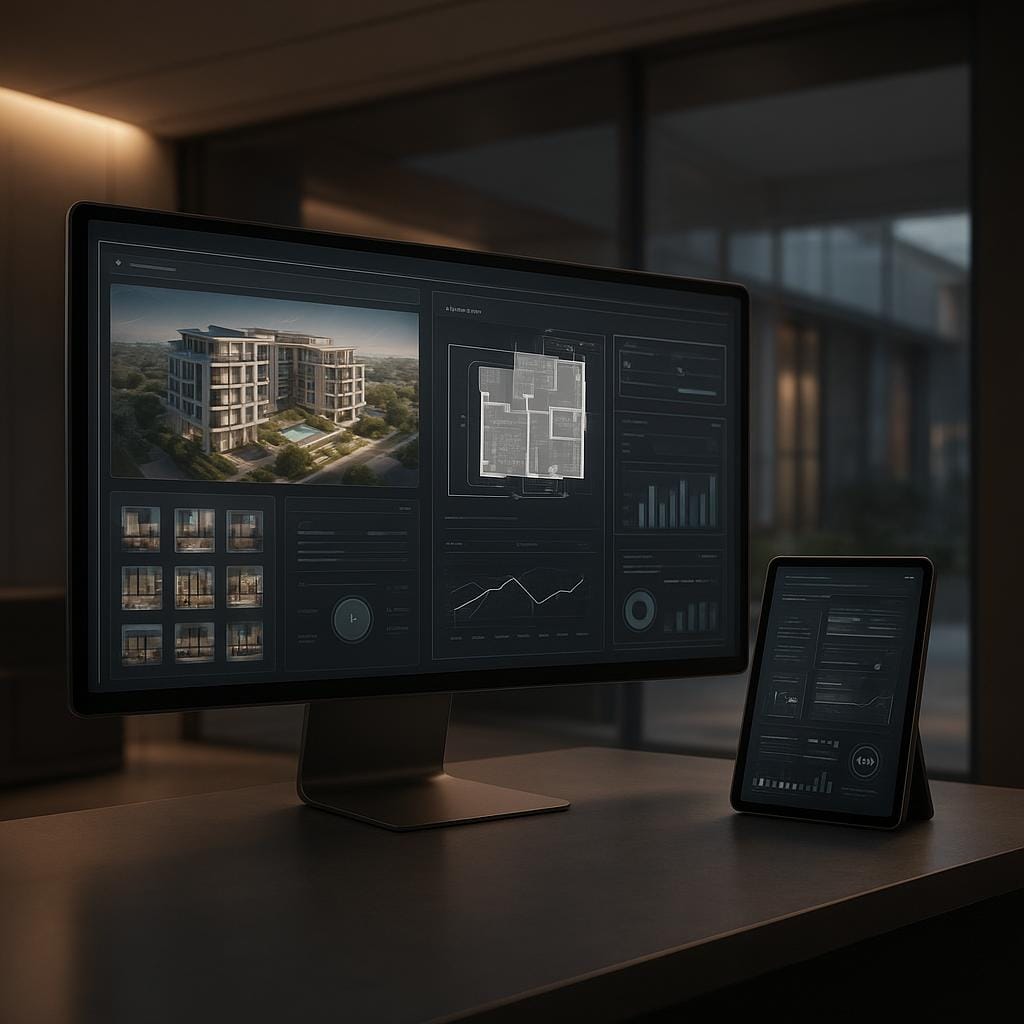
For developers and construction companies, the biggest sales problem is rarely a lack of inventory. It is the gap between what a project will become and what a buyer can confidently understand today. That gap slows decisions, increases sales effort, and weakens ROI. This is where 3D portals create a measurable advantage. Instead of relying on static brochures, disconnected PDFs, and long explanation calls, a project can be presented in a digital environment that is easier to explore, easier to share, and easier to sell.
When buyers can navigate a project online, compare unit types, and understand the value proposition in minutes, the sales conversation becomes more efficient. For B2B teams, that means fewer repetitive explanations, better-qualified leads, and a shorter path from interest to reservation. XOR Studio builds this layer of digital sales infrastructure with 3D web portals, AI automation, and CRM workflows designed for real estate revenue growth. To see how the broader platform works, discover how our XOR Studio PropTech solutions scale sales.
How 3D portals improve buyer understanding and conversion
Real estate is a high-consideration purchase. Buyers do not only buy square meters; they buy confidence. A well-designed digital portal gives them that confidence by making project information accessible, visual, and interactive. This is especially important for off-plan developments, mixed-use projects, and premium residential communities where the final product is still under construction.
With 3D portals, developers can present masterplans, unit availability, amenities, and location context in one place. That reduces friction for sales teams and increases the likelihood that prospects move forward. In practical terms, the portal becomes a digital showroom that works 24/7, supports remote buyers, and helps sales teams prioritize serious prospects. According to McKinsey real estate insights, digital transformation is becoming a major lever for operational efficiency and customer experience across the sector.
What buyers need before they commit
- Clear visual context: They want to see the project, not just read about it.
- Fast answers: They expect immediate access to availability, pricing logic, and unit options.
- Trust signals: They need confidence in the developer, timeline, and delivery process.
- Low-friction next steps: They want to book a call, request a brochure, or reserve a unit without delay.
When these needs are met inside a portal, the result is more than better presentation. It is better lead quality. Sales teams spend less time educating cold prospects and more time closing high-intent buyers. That is a direct conversion improvement, often translating into 10% to 30% better engagement rates on digitally supported sales journeys.
AI automation and CRM turn interest into revenue
Even the best portal underperforms if leads are not followed up quickly. In real estate, speed matters. A prospect who waits hours for a response may already be speaking with another developer. This is why AI automation and CRM are essential to the modern sales stack. Together, they ensure that every inquiry is captured, routed, scored, and followed up with consistency.
XOR Studio designs workflows that connect forms, chat, WhatsApp-style entry points, email sequences, and CRM pipelines so no lead is lost. AI can answer common questions, qualify prospects by budget or location, and route them to the right sales representative. CRM then tracks every interaction, giving management visibility into lead sources, response times, and pipeline performance. For teams handling multiple projects, this creates a measurable operational advantage of 20% to 40% in response efficiency.
| Capability | Manual Sales Process | 3D Portal + AI + CRM |
|---|---|---|
| Lead response time | Hours | Minutes |
| Lead qualification | Inconsistent | Automated scoring |
| Buyer education | Sales rep dependent | Self-service digital experience |
| Pipeline visibility | Fragmented | Centralized CRM tracking |
This combination matters because it reduces wasted effort. Sales teams can focus on prospects with real purchase intent, while AI handles repetitive pre-sales tasks. For developers, that means a lower cost per qualified lead and a stronger return on every marketing euro invested.
Why this matters for developers and construction companies
Construction and development businesses face long cycles, complex stakeholder coordination, and high capital exposure. Every delay in sales creates pressure on cash flow and project planning. A digital sales ecosystem built around 3D portals helps reduce that pressure by improving how projects are launched, explained, and sold.
For pre-sales campaigns, a portal can be used before ground is broken. For active developments, it can support sales offices, agents, and remote investors. For completed projects, it can serve as a premium listing environment that differentiates the brand. This flexibility is valuable because it protects ROI across the full project lifecycle. It also supports internal teams by standardizing how project data is presented across marketing, sales, and investor relations.
External market research reinforces this shift. Gartner customer experience research consistently shows that buyers expect faster, more personalized digital interactions, and companies that deliver them gain a competitive advantage. In real estate, that advantage shows up as faster reservations, better lead conversion, and stronger brand trust.
Where the ROI comes from
- Lower sales friction: Buyers self-educate before speaking to the sales team.
- Higher lead quality: AI filters out low-intent inquiries early.
- Better team productivity: CRM organizes follow-up and pipeline management.
- Stronger project positioning: The development looks more premium and more credible.
How XOR Studio builds a measurable PropTech advantage
XOR Studio does not treat digital tools as isolated features. We build connected systems. That means the portal, AI assistant, and CRM are designed to work together as a single revenue engine. The result is not just a better-looking website; it is a better-performing sales process.
Our approach starts with understanding the project, target buyer, and commercial goals. Then we create the digital experience that supports them. For some clients, that means a sales portal with unit filtering and interactive project navigation. For others, it means AI-powered lead capture and automated follow-up sequences. In many cases, it means both. The goal is always the same: help the business sell faster, operate smarter, and improve ROI.
Key takeaway: In modern real estate, the best-performing sales teams are not only persuasive; they are digitally enabled. A strong 3D portals strategy, combined with AI automation and CRM, turns project presentation into a revenue system.
Conclusion: from project presentation to revenue performance
The real estate market rewards clarity, speed, and trust. Developers and construction companies that still rely on static marketing materials are losing time and opportunities to more agile competitors. By adopting 3D portals, AI automation, and CRM, you can create a buyer journey that is easier to understand, easier to manage, and easier to convert.
If your team wants to shorten sales cycles, improve lead quality, and increase project ROI, now is the time to invest in a connected PropTech approach. Explore our real estate solutions for developers and investors, review our practical guide to AI automations, and see how a smarter digital sales system can support your next project launch.